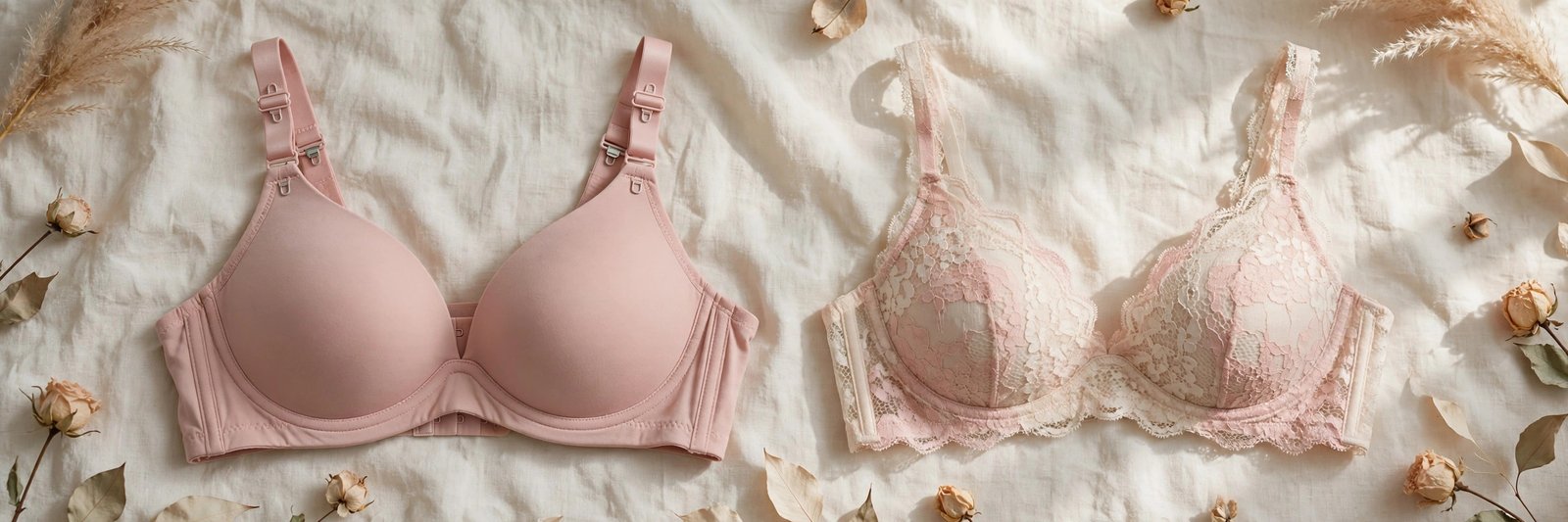
Expecting a baby or already breastfeeding? One of the first wardrobe questions new mothers ask is whether they really need special bras — or if their regular ones will do. Understanding the nursing bra vs regular bra difference helps you decide what to buy and when, so you stay comfortable through pregnancy and feeding without wasting money on the wrong things.
Design Differences: Clips, Cups, and Band
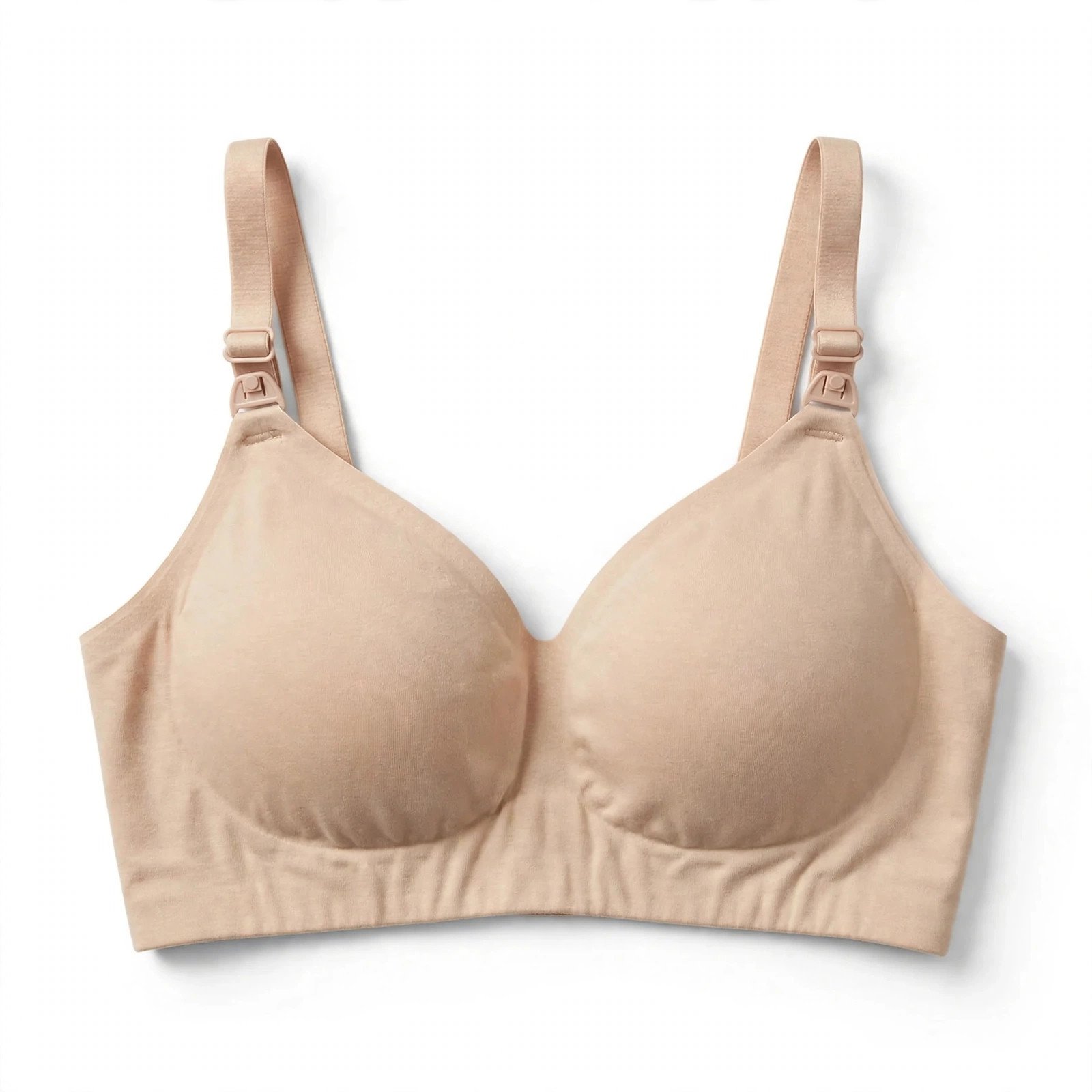
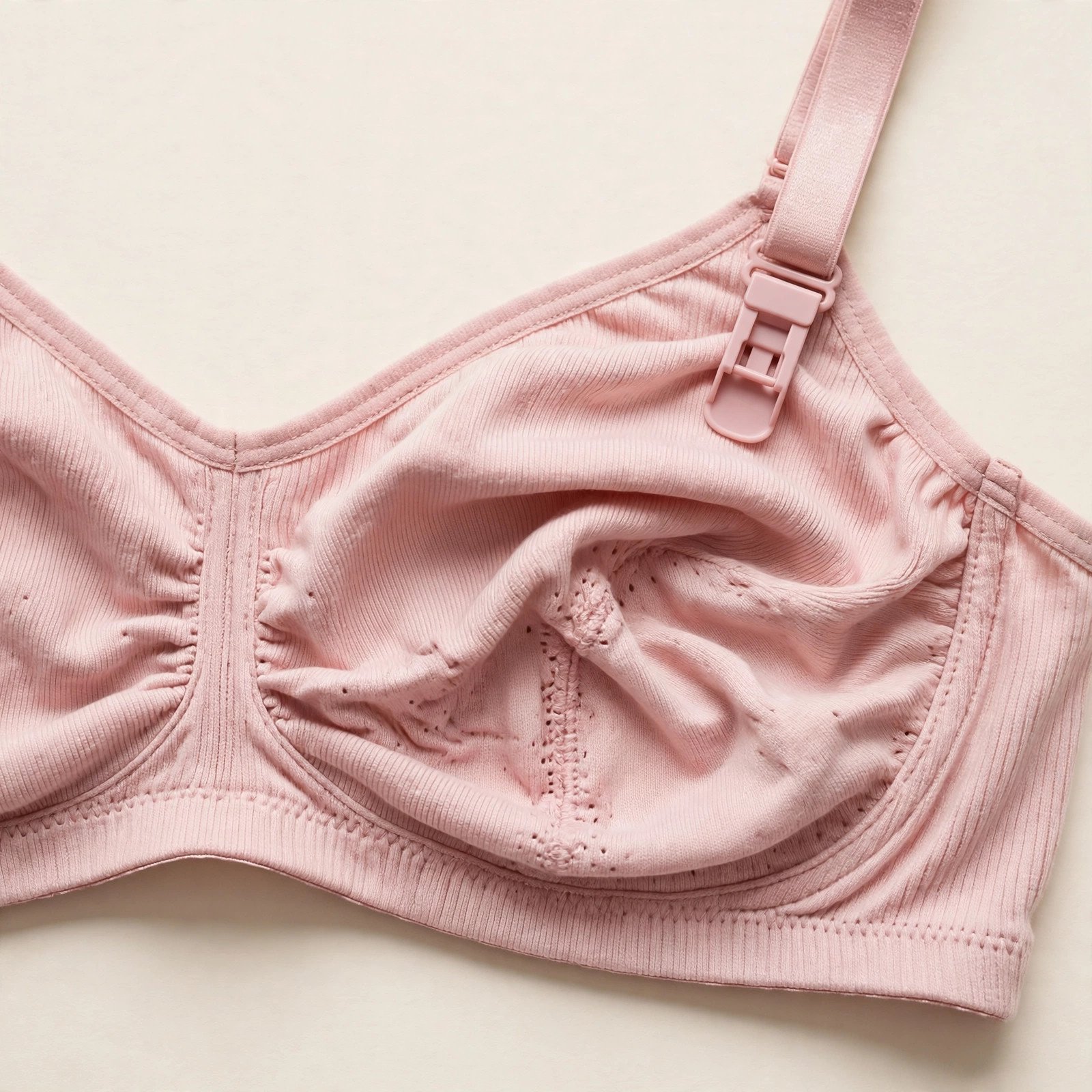
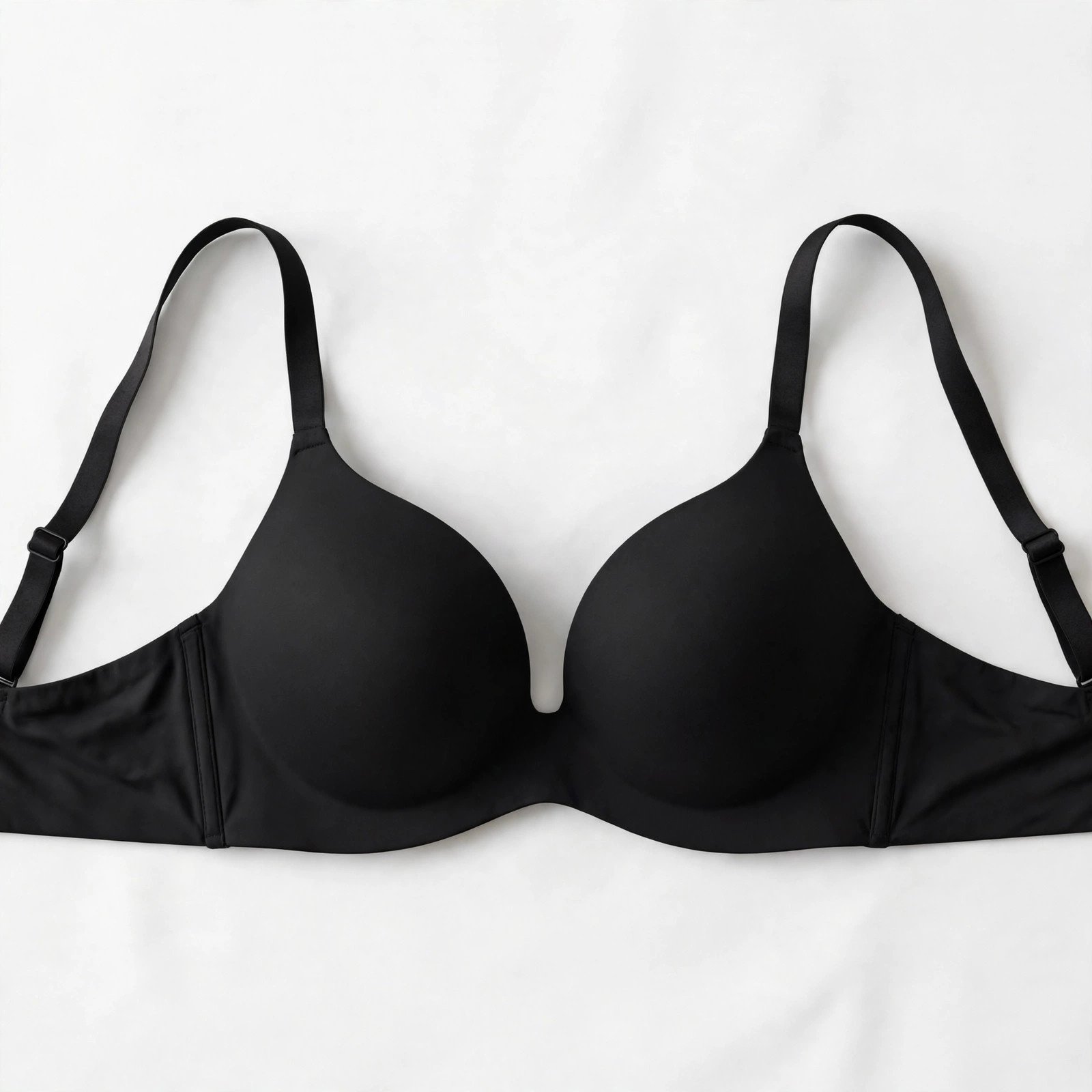
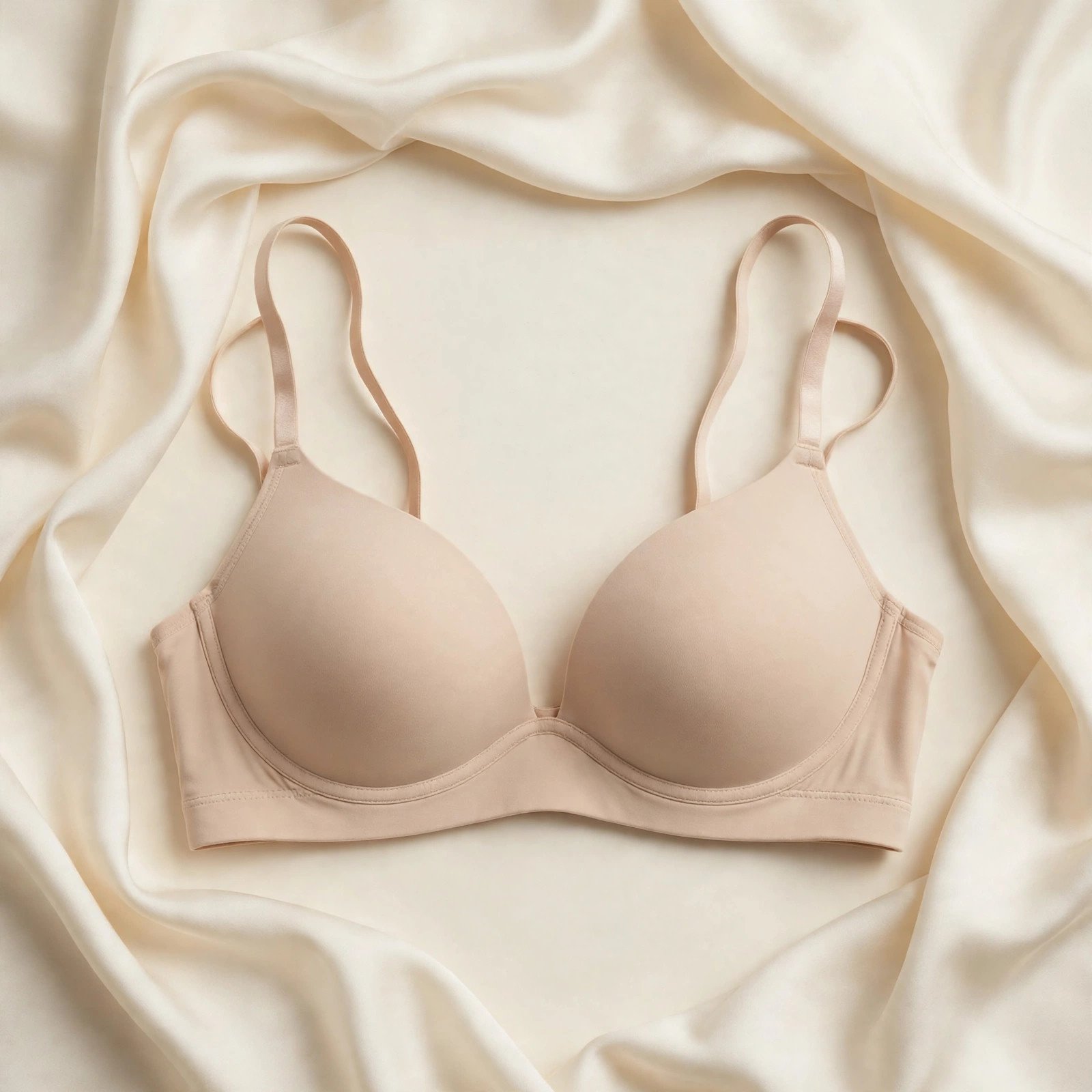
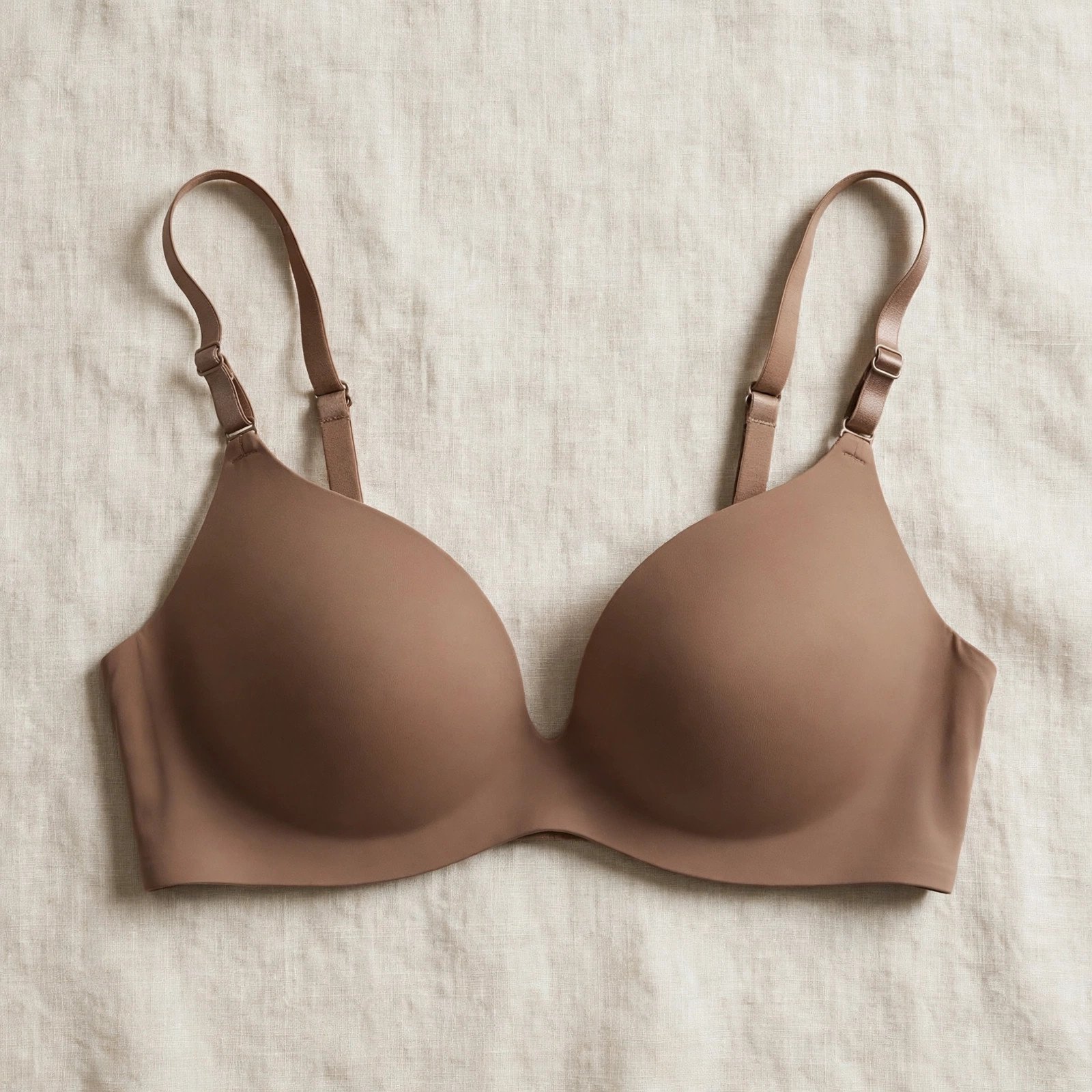
The biggest visible difference is the cup. A nursing bra has drop-down cups held by one-handed clasps or clips at the strap — you unclip with one hand (while holding the baby with the other) to feed, then clip back up. Regular bras have fixed cups with no opening mechanism. Nursing bras also tend to have wider, more supportive bands and straps to handle fuller, heavier breasts, plus extra hook-and-eye rows so the band can expand as your ribcage grows during pregnancy. Many are wire-free or use flexible wires, because rigid underwires can press on milk ducts. Regular bras, by contrast, are designed purely for shape and support — underwires, padding, and fashion detailing are all fair game.
Comfort and Support Comparison
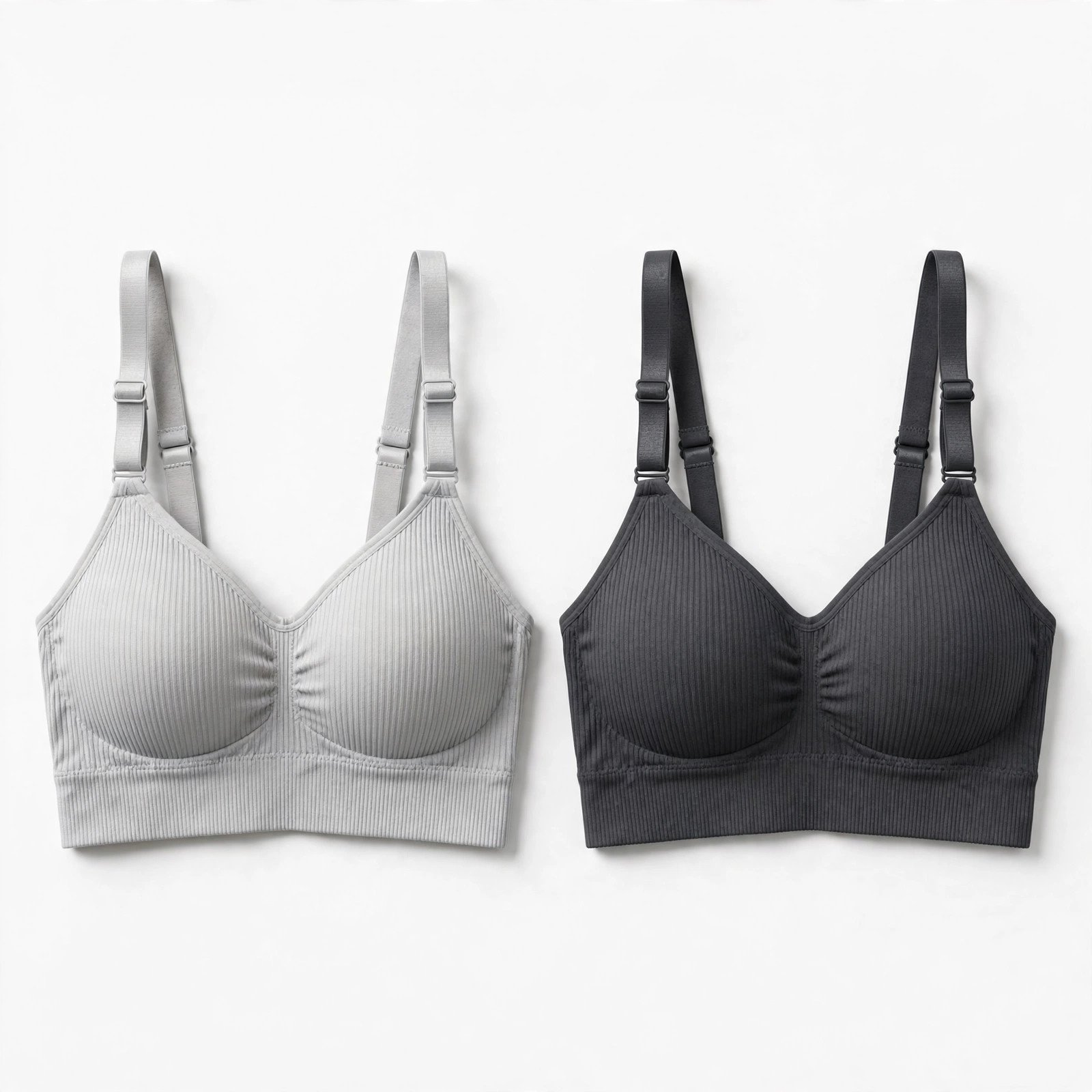
Nursing bras are built for comfort first: soft breathable fabrics (cotton blends are common in Pakistan's heat), wide straps that do not dig in, and sleep-bra styles you can wear overnight for leak protection with nursing pads. Regular bras usually offer more shaping — moulded cups, push-up padding, lace detailing — and a wider range of styles. Support-wise, a well-fitted nursing bra supports just as well as a regular bra; the difference is that it distributes support to accommodate breasts that change size through the day as they fill and empty. If your priority is all-day comfort during feeding months, nursing bras win. If you want a defined shape under a fitted outfit for an evening out, a regular bra in the correct size is fine for short stretches.
When to Switch to a Nursing Bra
Most mothers switch in the third trimester or right after delivery, when breasts become noticeably fuller. A practical approach: buy one or two nursing bras late in pregnancy (your size then is close to your early breastfeeding size), then buy more after your milk supply settles around 2–4 weeks postpartum. Do not stock up too early — your size will change. And measure yourself properly before buying; our bra size guide walks you through measuring at home, which is bohat zaroori when your body is changing week to week. When you are ready, you can shop bras online in our undergarments range.
Can You Wear a Regular Bra While Breastfeeding?
Yes, you can — with caveats. A regular bra is fine for short periods, like a dinner out, as long as it fits well and does not compress your breasts. Avoid tight bands, rigid underwires pressing on the upper breast, and anything that leaves deep marks — compression in the wrong place can contribute to clogged ducts. The practical problem is feeding access: you will need to pull the whole cup down or lift the bra, which is awkward and stretches the bra out. Many mothers keep one or two regular bras for outings and rely on nursing bras for daily life. Whatever you choose, correct sizing matters more than the type — an ill-fitting nursing bra supports worse than a well-fitting regular one.
What to Look For When Buying a Nursing Bra
Not all nursing bras are equal, so check these features before you buy. First, one-handed clasps — you will often be holding the baby with the other hand, so test that you can unclip and re-clip easily. Second, a wide, supportive band with at least three hook rows; your ribcage size changes during pregnancy and early feeding, and extra hooks give you room to adjust. Third, soft, breathable fabric — cotton-rich blends are ideal for Pakistan's climate and for sensitive skin. Fourth, full-coverage cups that contain the whole breast; skimpy cups plus a heavy, full breast is a recipe for discomfort. Finally, consider getting one nursing sleep bra — a soft, wire-free pull-on style you can wear overnight with nursing pads to handle leaks. Avoid anything with stiff seams across the nipple area, which can irritate sore skin in the early weeks.
FAQs
How many nursing bras do I need?
Three is the sweet spot: one to wear, one in the wash, one spare. Breastfeeding involves leaks and frequent washing, so rotation matters. Start with two and add more once your size stabilises a few weeks after delivery.
Are underwire nursing bras safe?
Flexible-wire nursing bras designed for feeding are generally fine. Avoid rigid everyday underwires that press into changing breast tissue, especially in the early weeks. When in doubt, wire-free nursing bras are the safest and most comfortable option.
When can I go back to regular bras?
Whenever feeding ends and your size stabilises — usually a few weeks after weaning. Re-measure before buying, because your post-breastfeeding size often differs from your pre-pregnancy size. Our complete bra size guide will help you find your new fit, and you can shop women's undergarments once you know it.