
Dark spots, uneven tone, and melasma patches are among the most common skin concerns in Pakistan — and vitamin C serum is one of the most researched solutions for them. The vitamin C serum benefits for pigmentation go beyond marketing hype: this antioxidant genuinely interrupts the pigment-making process in your skin. Here's what it does, how to use it correctly, and the mistakes that stop it from working.
What Vitamin C Does for Skin
Vitamin C (usually listed as L-ascorbic acid, or gentler forms like sodium ascorbyl phosphate) is a potent antioxidant. Every day, UV rays and pollution create free radicals that damage skin cells and trigger excess melanin — the pigment behind dark spots. Vitamin C neutralizes those free radicals before they cause damage. Beyond pigmentation, it supports collagen production (keeping skin firm), brightens overall dullness, and actually boosts your sunscreen's effectiveness when layered underneath it. Think of it as your morning defense serum.
How It Fades Pigmentation & Dark Spots
Vitamin C fights pigmentation at the source: it inhibits tyrosinase, the enzyme your skin uses to produce melanin. Less tyrosinase activity means fewer new dark spots forming, while existing spots gradually fade as old pigmented cells shed. It works on sun spots, post-acne marks, and general uneven tone. Most people notice brighter skin in 3–4 weeks, with visible fading of dark spots in 8–12 weeks of consistent daily use. For stubborn melasma, dermatologists often pair vitamin C with niacinamide or azelaic acid — ask yours before combining strong actives. And remember: without daily sunscreen, new pigmentation forms as fast as vitamin C fades the old — the two are a package deal.
How to Use It Correctly
- When: Morning, after cleansing and toning, before moisturizer and sunscreen. (If your skin is sensitive, you can use it at night instead.)
- How much: 3–4 drops or a pea-sized amount for the whole face. More is not better — excess just oxidizes on your skin.
- Layering order: Thinnest to thickest — vitamin C serum first, then hydrating serums, then moisturizer, then sunscreen. Wait about a minute between layers.
- Start slow: Begin with a 10–15% concentration every other morning, building to daily. Pure L-ascorbic acid can tingle at first; that's normal, but burning is not — drop the frequency if it burns.
- Storage: Keep the bottle away from heat and dhoop; a dark, cool drawer is ideal. If your serum turns dark orange or brown, it's oxidized — replace it.
Choosing the Right Vitamin C Formula
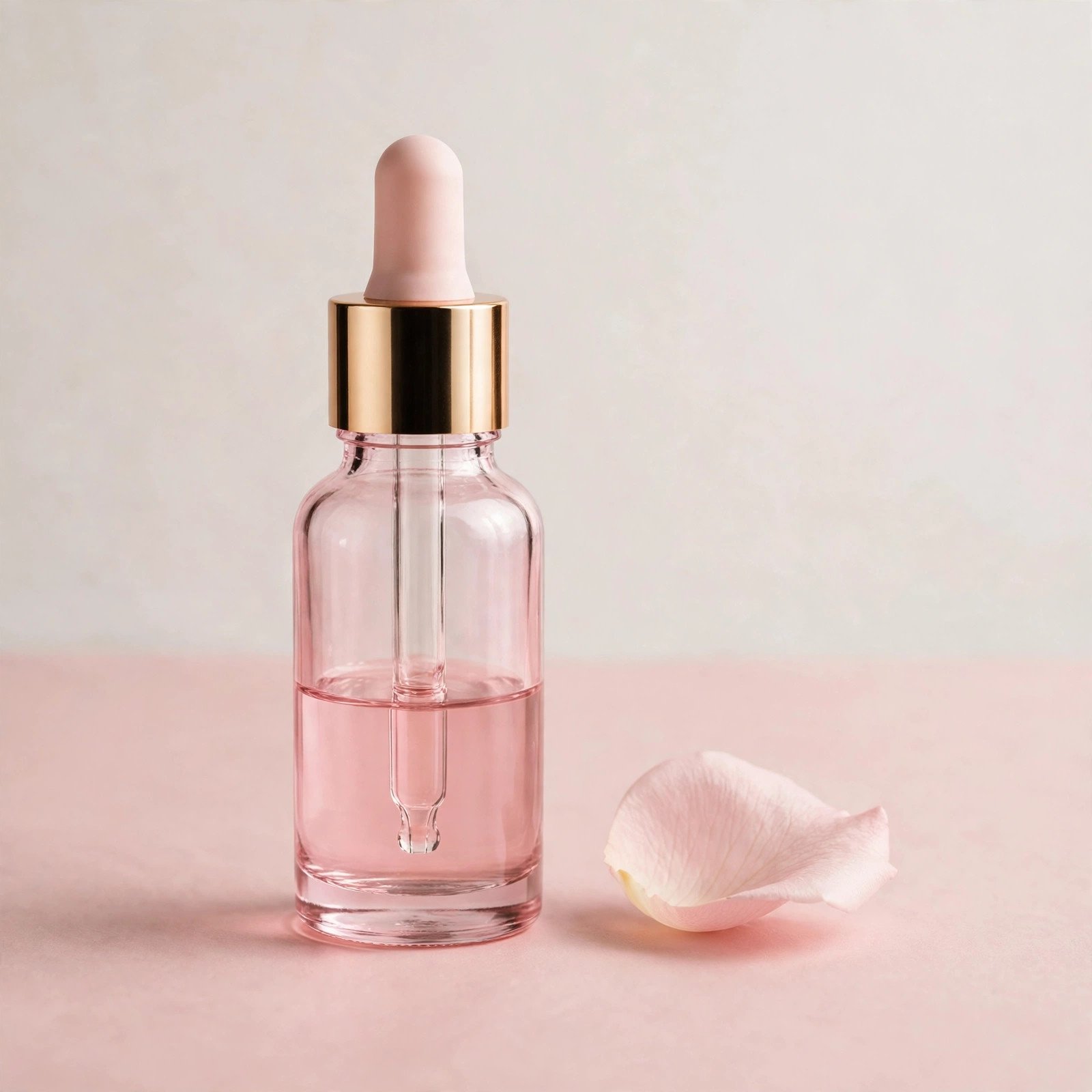
Not all vitamin C serums are equal, and picking the wrong one is a common reason beginners quit. L-ascorbic acid is the purest, most researched form — effective at 10–20% concentration, but it can sting sensitive skin and oxidizes fastest. Sodium ascorbyl phosphate (SAP) and ascorbyl glucoside are gentler derivatives that convert to active vitamin C in the skin; they're better picks for beginners and sensitive types, though they work a little slower. THD ascorbate is an oil-soluble form that penetrates well and plays nicely with moisturizers. Whatever form you choose, look for airtight, opaque packaging — clear dropper bottles left in a bright bathroom degrade fast. In Pakistan's heat, that matters more than most labels admit.
Mistakes to Avoid
- Mixing with retinol in the same routine: Both are strong actives; together they irritate most skin. Use vitamin C in the morning and retinol at night instead.
- Skipping sunscreen: Vitamin C makes skin slightly more sun-sensitive while it works. No SPF = no results, and possibly worse pigmentation.
- Using an oxidized serum: That brown bottle has lost its potency and can irritate. Fresh, pale-yellow serum is what you want.
- Combining with strong exfoliating acids at the same time: Layering vitamin C directly over a fresh AHA/BHA peel invites redness. Alternate days instead.
- Expecting overnight miracles: Pigmentation took months or years to form; fading it takes weeks of consistency.
FAQs
Can vitamin C serum remove dark spots permanently?
It fades existing spots and prevents new ones, but "permanent" depends on sun protection. Spots faded with vitamin C can return if you skip sunscreen — daily SPF is what makes results last.
Is vitamin C serum suitable for oily Pakistani skin?
Yes — it's actually ideal. Lightweight vitamin C serums absorb fast without greasiness, and vitamin C helps control the dullness and post-acne marks that oily skin often gets in humid weather. Start with a lower concentration if your skin is reactive.
Can I use vitamin C serum with niacinamide?
Yes, modern formulations of both play well together, and the combination is excellent for pigmentation. If layering two separate serums, apply vitamin C first, wait a minute, then niacinamide. If you notice flushing, use them at different times of day.
Vitamin C works best as part of a complete routine — see our skincare routine for beginners guide to build yours. Ready to try one? Shop skincare online at Kiran Store and find a vitamin C serum suited to Pakistani skin, with cash on delivery nationwide.